As athletes, coaches and sportscotland institute of sport staff look ahead to Glasgow 2026, Clean Sport education is playing a vital role in ensuring everyone understands their rights, responsibilities and the practical realities of competing clean.
sportscotland work in partnership with Team Scotland, to offer Clean Sport education for the selected athletes and support personnel preparing for the 2026 Commonwealth Games. Dedicated sportscotland Trainers deliver Clean Sport education developed by UK Anti-Doping.
Delivered through interactive one-hour sessions, the Clean Sport Games education programme brings anti-doping to life.
Whether participants are already selected or part of a long squad, the education is framed around their “journey to the Games” helping them understand what clean sport looks like in everyday situations. From training environments to supermarkets, hotels to medical settings, athletes are encouraged to consider how their choices can impact their compliance.
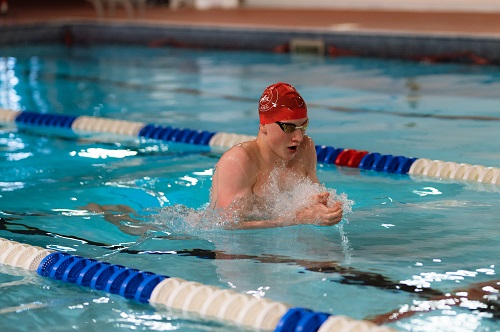
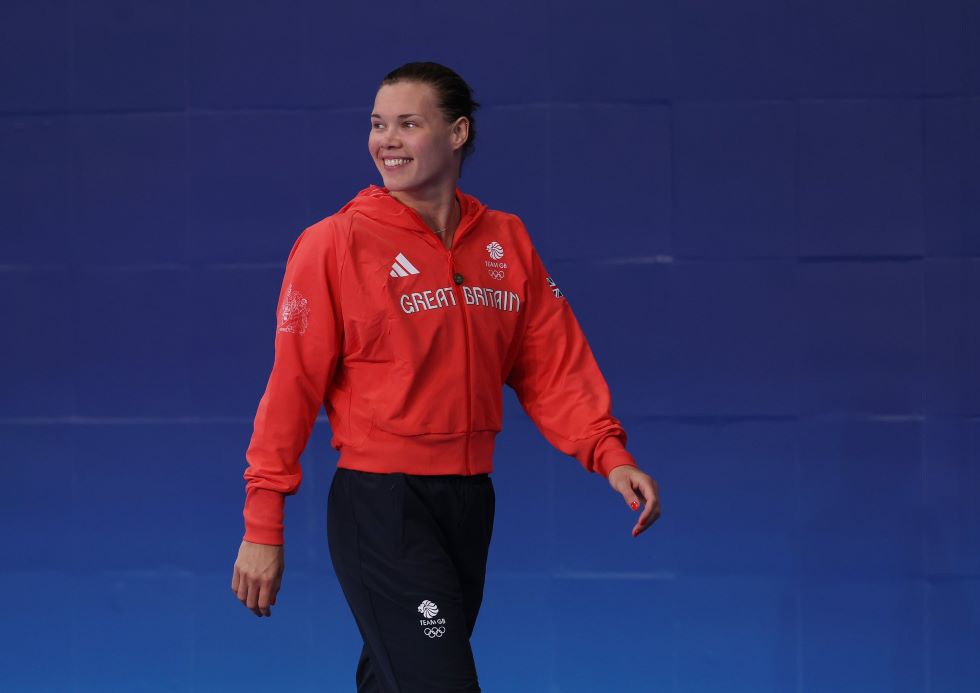
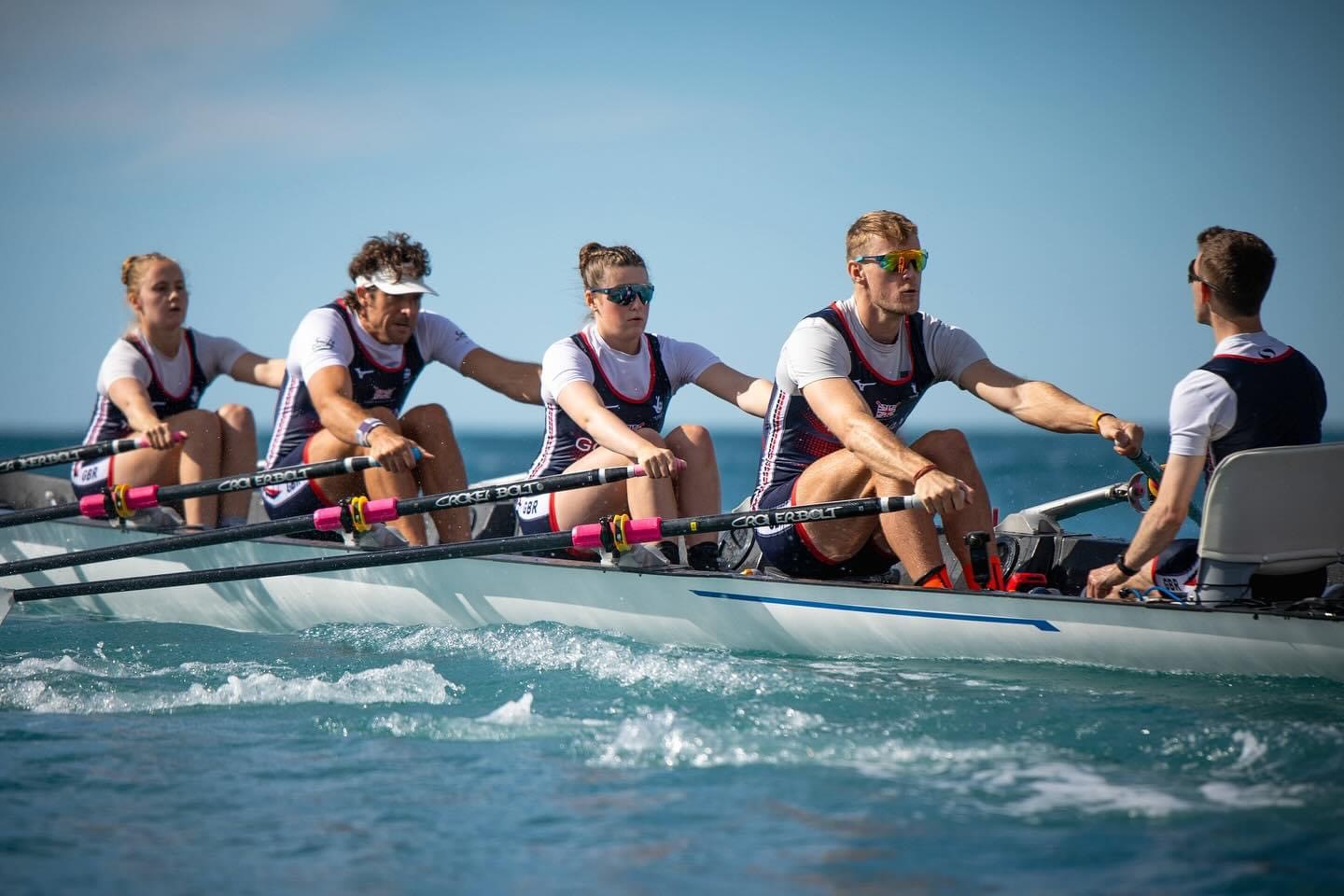
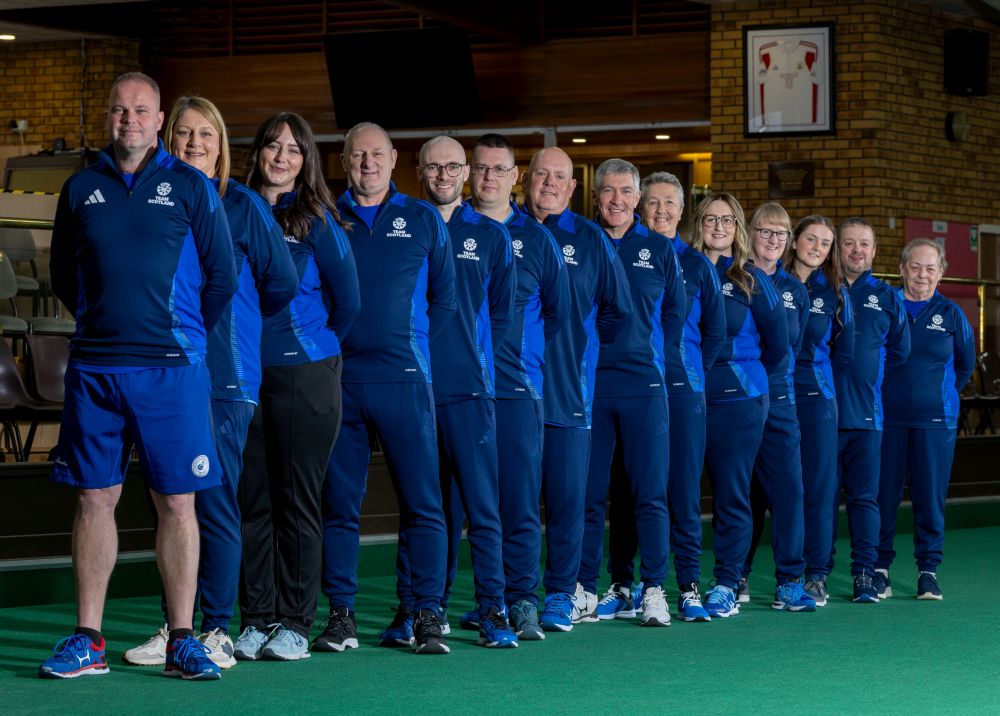
Athletes from aquatics, athletics, basketball, boxing, cycling, gymnastics, judo, lawn bowls, netball and weightlifting have taken part in the education sessions.
Learning from experience
Sessions are led by experienced practitioners, Sarah Gandon and Ali Bell who bring both professional and personal insight. With backgrounds ranging from international competition to team management, facilitators provide practical examples that resonate with athletes at different stages of their journey.
Sarah is a former England netball team manager who has worked across international competitions, including the 2014 Commonwealth Games, and now operates as a sports consultant specialising in clean sport education, performance support and athlete development. She also works with organisations such as the Netball Players Association and UK Anti-Doping to support athletes on and off the court.
Ali represented the Scotland women’s national team competing in major tournaments including the 2010 and 2014 Commonwealth Games, as well as the Euro Hockey Nations Championship and the Junior World Cup. Since retiring from international hockey, Ali has worked in the performance environment and is currently a Performance Manager with Scottish Golf.
The online sessions are designed for both athletes and Athlete Support Personnel (ASP), covering key topics including testing, medication, supplements, and decision-making in real life experiences.
Building confidence and knowledge
 Athletes begin by reflecting on their existing knowledge, with many already demonstrating strong awareness of anti-doping rules. The sessions then act as a refresher, reinforcing key principles such as:
Strict liability – athletes are responsible for anything found in their system.
Anti-doping rule violations (ADRVs) – understanding behaviours that could lead to sanctions.
In-competition vs out-of-competition rules – knowing when different restrictions apply.
Interactive discussion is central to the learning experience, with athletes encouraged to ask questions and share experiences.
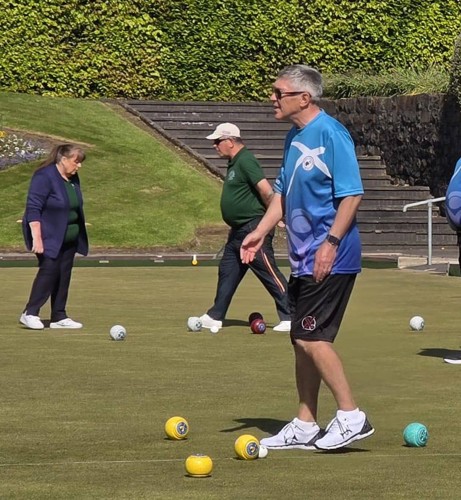
Jim Aitken attended a recent session and is set to make his Commonwealth Games debut in para bowls, competing alongside Mary Stevenson.
Jim said, “I think everyone who took part demonstrated a good level of existing knowledge which shows how important we all think it is to have clean sport and to follow the guidelines.”
He added, “I think it’s important to continually refresh and embed the training already completed. Everyone has worked hard to earn selection for the Games and it would be devastating to inadvertently fall foul of the requirements and let down your team mates and everyone who is supporting you”.
Everyday decisions matter
A key focus of the education is helping athletes navigate everyday decisions. This includes:
Food and supplements – adopting a “food first” approach, checking products carefully and understanding that supplements carry inherent risk
Medication – using tools such as GlobalDRO to check whether substances are permitted and saving search results for reference
Therapeutic Use Exemptions (TUEs) – ensuring applications are submitted in advance where required
Athletes are also reminded to think beyond traditional sports settings, considering risks linked to beauty treatments, recovery methods and lifestyle choices.
Preparing for testing
The sessions also demystify the testing process, helping athletes feel prepared and confident about the different types of testing, including urine and blood, their rights during testing, such as completing a warm-down or attending medal ceremonies, and the importance of maintaining accurate whereabouts information.
By understanding the process in advance, athletes are better equipped to manage testing situations without unnecessary stress.
A shared commitment to Clean Sport
Clean Sport is not just about personal choices, it’s also about protecting the integrity of competition. Athletes are encouraged to remain vigilant, and report concerns through appropriate channels if they suspect doping activity.
During the session, attendees also learn about the wider consequences of anti-doping violations, particularly in team environments where sanctions can affect entire squads.
Ultimately, the Clean Sport Games education programme aims to empower athletes to compete with confidence and integrity. By reinforcing knowledge, addressing real life experiences and encouraging open discussion, the sessions help ensure that everyone heading to Glasgow 2026 is prepared to be “100% me”.
As the Games approach, the message is clear: clean sport is a shared responsibility — and one that starts long before stepping onto the field of play.
Find out more
Get in touch with sportscotland High Performance Manager Calum.Wood@sportscotland.org.uk