At Jidel Judo in West Lothian, success isn’t measured by medals, it is about changing lives, removing barriers and ensuring everyone in the community has the chance to benefit from sport.
The club has become a powerful example of the Meeting Community Need approach which sportscotland has helped to facilitate across the sector.
Since the Robertson Trust commissioned ‘Sport for Change’ research was published in 2017, the sector has come together to explore the role of sport and to work in a way that both sporting and wider outcomes can be achieved. This was originally under the guise of Changing Lives and is now termed Meeting Community Need.
A huge amount of learning has taken place in the system and this learning is now being made available to all partners, officers, clubs, leaders and volunteers in the community. The learning comprises videos, e-learning and online resources some of which can be found below.
Introduction to Meeting Community Need
Meeting Community Need elearning on Brightspace
Meeting Community Need is an approach, mindset and way of working. It uses sport and physical activity to bring about positive change for people and communities. This means starting with what individuals and communities need, before planning programmes or approaches.
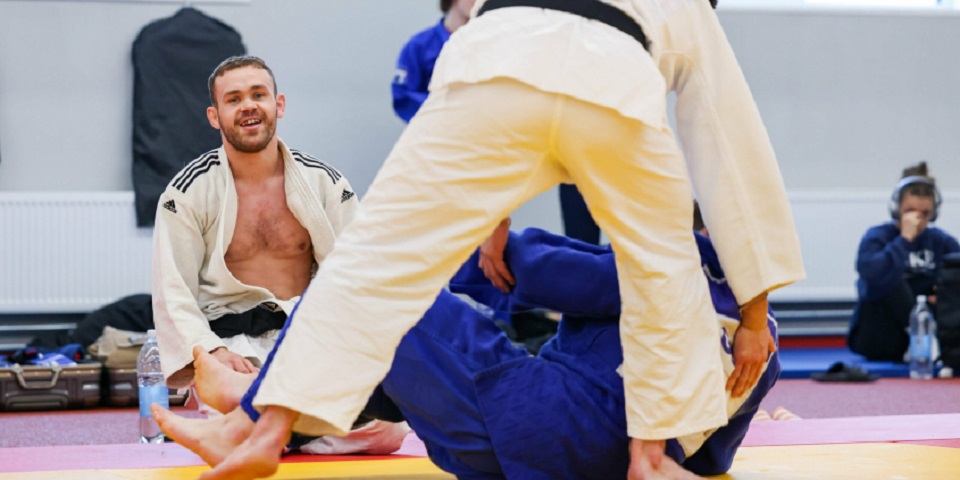
Jidel Judo is a perfect example of that, using judo as a tool to improve lives while creating a welcoming and inclusive environment for people of all ages and abilities. Rather than waiting for individuals to find their way to the sport, the club actively works alongside partners and local organisations to reach those who face barriers to participation.
Head Coach Johnny Imrie believes that mindset is central to the club's success.
He said: "We're not just making ourselves available for people to come along if they want, we're actively going out and trying to have an impact on the community. We're seeing where there's barriers and trying to remove those barriers."
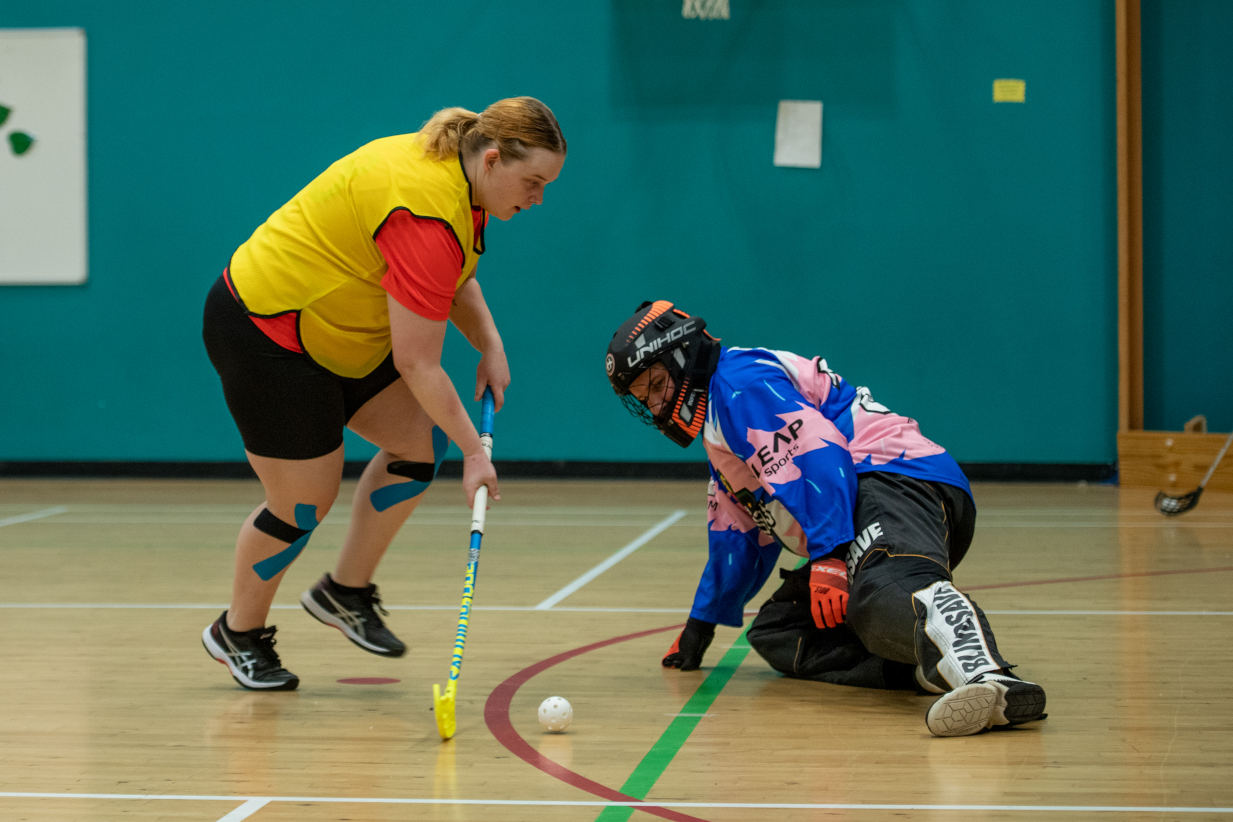
That commitment means focusing on people who might otherwise miss out on the benefits of sport. Whether supporting women and girls, people with learning disabilities or others who face challenges accessing physical activity, the club works to understand community needs first and then shape its programmes around them.
"We don't chase people that might be classed as mainstream," Johnny explains "We chase people who might not be engaged in sport because barriers exist for them. We're guided by what the community needs from us."

That approach has helped establish strong partnerships with Active Schools and community sport organisations across West Lothian. Rather than asking what those organisations can do for the club, Jidel Judo looks for opportunities to support wider community goals and create positive outcomes beyond the mat.
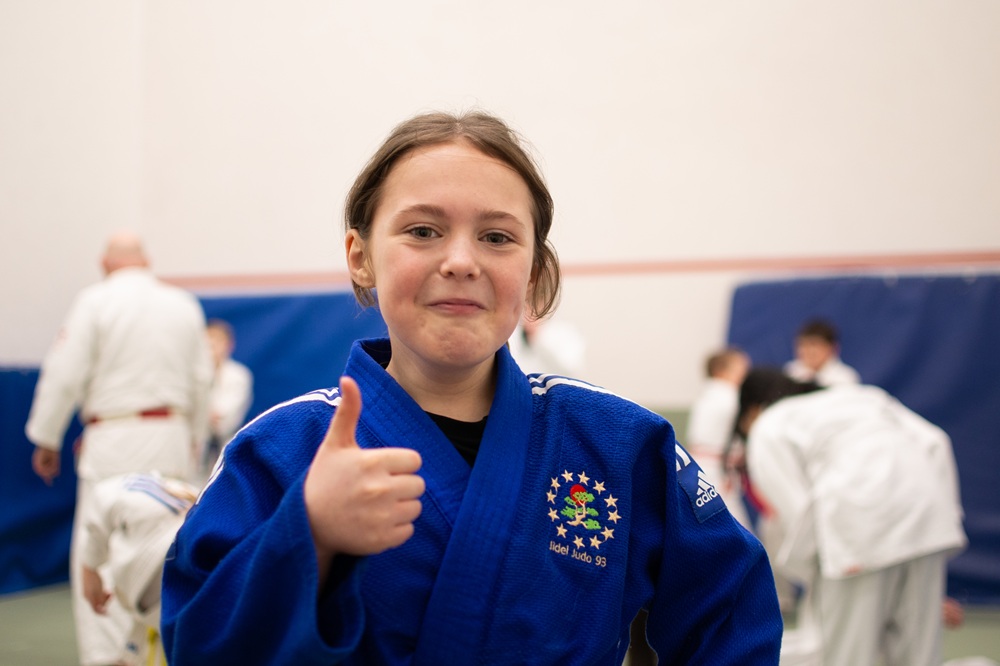
The impact can be seen in the experiences of participants themselves. One young member, who has practised judo since early childhood, says the sport has helped her learn new skills while building friendships.
"It's really good to learn a sport that's maybe not too common," she says. "I've done judo since I was two or three and I like it because it's taught me a lot of new things and I've made lots of friends."
The club's commitment to inclusion extends across every aspect of delivery. Coach Jo Imrie says sessions are adapted to meet the needs of each individual participant.
"We adapt the coaching to the needs of the player," she explains. "We have a number of members who have learning disabilities, visual impairments and hearing impairments. For each player we look at their individual needs and make each individual a programme that will work for them."
This personalised approach ensures that participants are not expected to fit into a standard programme. Instead, programmes are designed around them, helping more people feel supported, valued and able to take part confidently.
According to Shirley-Anne Smith, an Active Schools Coordinator who has worked closely with the club, the benefits stretch far beyond sporting participation.
"Clubs like this are hugely valuable to their communities," she says. "They are wired in, they are part of the community, they know the people, they are the people."
The positive impact is also being recognised within schools. Active Schools Coordinator Matthew Sommerville says pupils who engage with the club often show noticeable improvements in behaviour and engagement.
"We've noticed a lot of positive behaviour changes with many of the pupils," he says.
"They respond very well to the coaches at the club and the schools have seen a big difference in how they're in school. They're often more focused and more alert."