Nestled at the western end of Loch Tay, where the scenic Rivers Lochay and Dochart meet beneath the mountains of Tarmachan and Ben Lawers, sits Killin, a picturesque village at the heart of historic Breadalbane.
Today, Killin is one of the most remote communities in Stirling. It ranks among the 8% most access-deprived areas in Scotland according to the Scottish Index of Multiple Deprivation (SIMD), with the nearest sports facilities 22 miles away and limited public transport options.
Despite a strong sporting and recreational heritage, and the efforts of previous generations to provide halls, pavilions, pitches and parks for residents and visitors alike, Killin has faced the same challenge as many rural communities: keeping these facilities fit for changing needs.
Killin Sports and Recreation Hub (KSRH) was established in early 2023 to address these challenges. Its work is guided by three key aims: advancing local participation and civic responsibility and rural regeneration; providing recreational facilities that improve conditions of life for those they serve; and relieving hardship caused by age, ill-health, disability, financial hardship or other disadvantage.
Building on a sporting heritage
Operating from Killin Sports Pavilion, a purpose-built community facility dating from 1992, the KRSH offers a bowling green, multi-use games area (MUGA) and small clubhouse. Its first challenge was simple but significant, ensuring the facility remained open and accessible following the closure of the area's bowls, football and tennis clubs.
Taking a community-driven approach shaped by local consultation, the hub established a weekly Warm Hub with Start Up Stirling, offering meals and social space in the wake of the cost-of-living crisis. They also hosted a Citizens Advice Bureau session providing essential support and a permanent home for the Killin Youth Project, established by Killin and Ardeonaig Trust in 2022, which now runs weekly activities for over 40 young people.
Central to this work was ensuring the pavilion added value to the community, rather than duplicating the efforts of other local groups. The hub reinforced this approach through the launch of the Killin Directory, supporting its commitment to local participation, promotion and community collaboration.
A growing hub for sport and wellbeing
The community responded enthusiastically. In the months that followed, new activities and user groups began to emerge around the pavilion. The Killin Health Walk, run weekly by the Countryside Trust, now finishes at the pavilion, creating opportunities for social connection, while a second summer evening walk has started from the venue over the past two years.
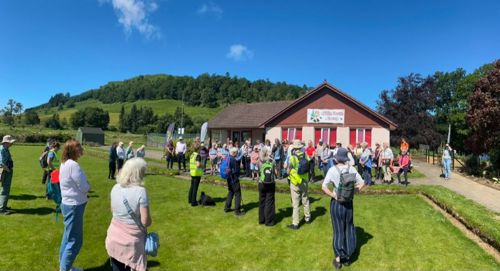 In July 2026, Killin also hosted the national park's annual ‘Big Fit Walk’, attracting 60 walkers to the area. Responding to community interest, the hub converted a disused changing room into the Killin Weights Gym, equipped with donations from local members and now used by around 30 people. Meanwhile, a major volunteer effort transformed the tired, overgrown MUGA into a vibrant community asset, hosting a weekly football group alongside youth and Scout activities.
In 2024, the hub expanded its focus beyond the pavilion, working with partners including the Countryside Trust and the national park to develop and promote 70km of trails in Acharn Forest. The project included waymarking routes and producing maps and heritage information, helping residents and visitors explore the area's rich history and natural environment alongside its sporting and recreational opportunities.
Creating spaces for everyone
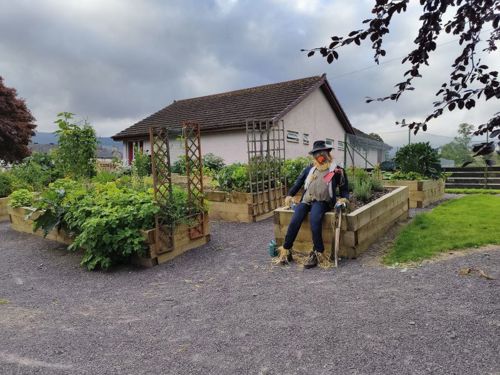
In 2026, the hub took on its most ambitious pavilion project to date: transforming unused land beside the pavilion into the Killin Community and Sensory Garden. Made possible through generous funding and community fundraising, the garden has created a strong sense of place and pride for the volunteers and groups who care for its raised beds. With accessible paths, seating and carefully chosen planting, it provides a welcoming space where people of all ages and abilities can relax, connect with nature and enjoy time in their community.
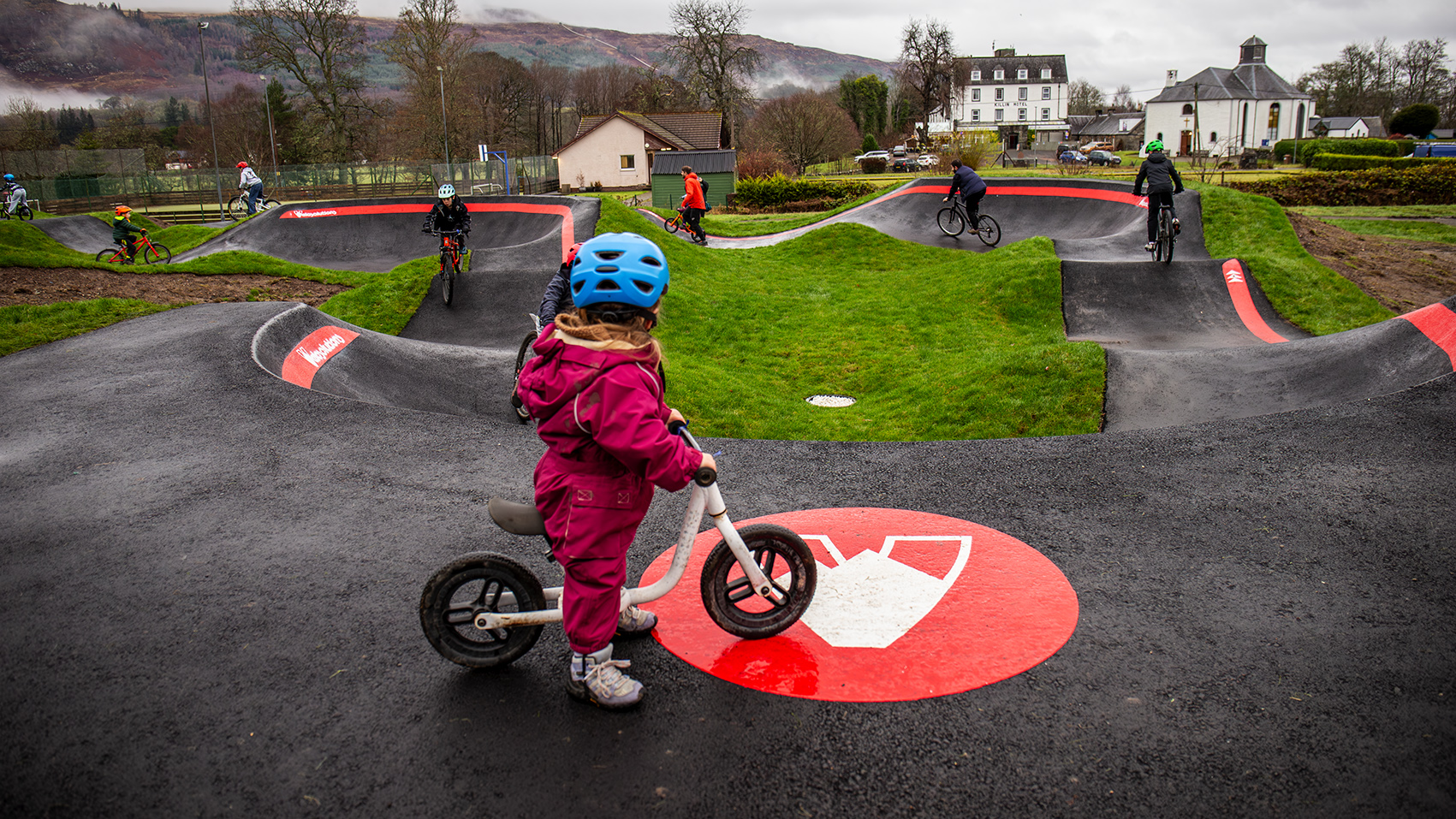
Amid a period of remarkable growth and activity, the hub achieved another major milestone in December 2025 with the opening of Stirling's first pump track at Breadalbane Park. The project was the culmination of more than two decades of campaigning by local young people, who had championed the idea through successive community plans since the early 2000s.
Free to use and accessible to all ages and abilities, the track has created new opportunities for people to be active close to home. Today, it is used by dozens of people each day, bringing energy, movement and excitement to the heart of the community.
Reflecting on the journey the hub has taken and the impact it has delivered, David Fettes, Chair of KSRH, said:
 “What started as a simple fight to keep our pavilion open has grown into something that touches almost every part of community life in Killin — from warm meals and youth activities to a gym, a sensory garden and now Stirling's first pump track.
He added, “None of it would have happened without our volunteers, partners and the community itself getting behind the hub. I couldn't be prouder of what we've built together, and I'm excited about what comes next.”
Looking ahead, the hub remains committed to its founding purposes and shows no sign of slowing down. With big plans to redevelop the pavilion into a larger, more flexible space for sport and recreation, the future for Killin is very bright.
Killin Sports and Recreation Hub is part of the national sportscotland Community Sport Hub network. Funded by The National Lottery, the Community Sport Hub programme brings sports clubs and community organisations together to create stronger, safer, more sustainable and inclusive hubs, helping to increase the impact of sport and physical activity across communities in Scotland.
Find out more
#RuralInclusion